Moving has slowed across the U.S., but not equally. Gen Z renters are still relocating toward markets like Denver, Minneapolis, Austin, Raleigh, Richmond, Seattle, San Francisco, and Philadelphia. For apartment owners and property managers, that creates a powerful opportunity: communities that deliver convenience, cleanliness, compliance, and frictionless resident services will be better positioned to win the next wave of renters.
Mandatory Recycling Laws Are Expanding — Is Your Property Compliant?
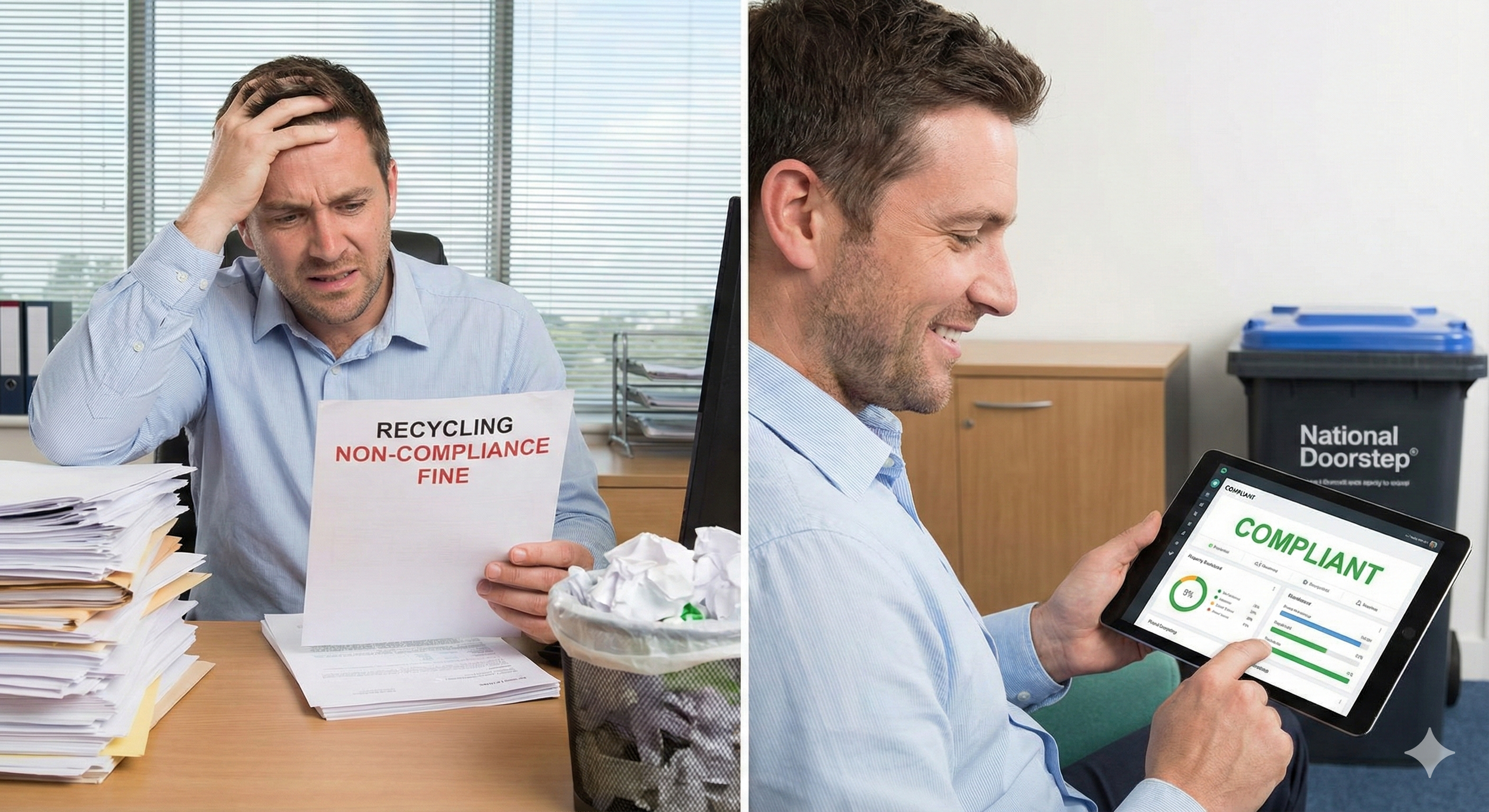
Recycling laws are rapidly expanding across cities and states, placing new compliance pressure on apartment owners and property managers. From mandatory recycling programs to stricter waste diversion targets, non-compliance is no longer a minor oversight—it’s a financial and operational risk.
In this guide, we break down what these new mandates mean for your property, how they impact inspections, fines, and investor due diligence, and the exact steps you can take to stay compliant while improving efficiency and resident satisfaction.
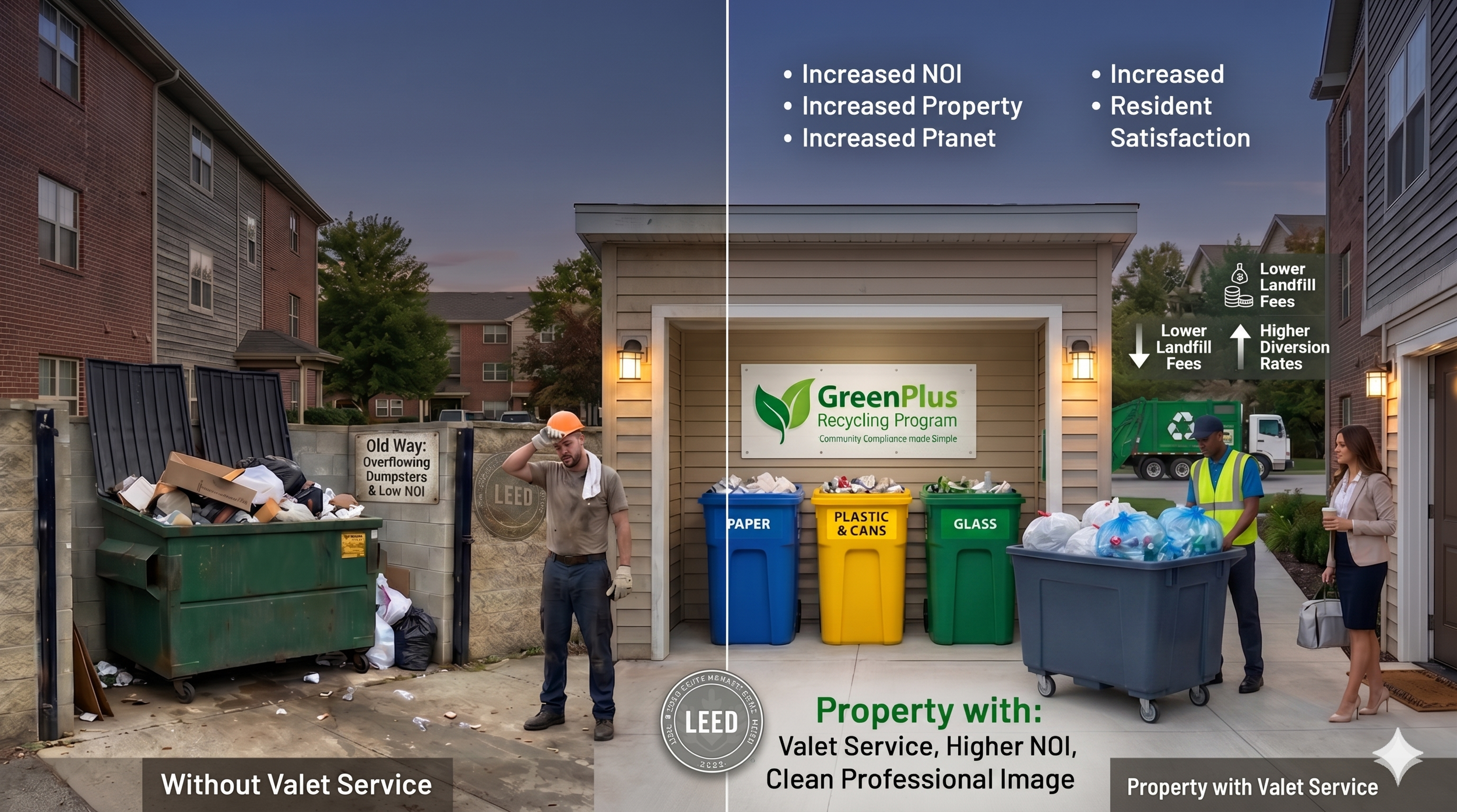
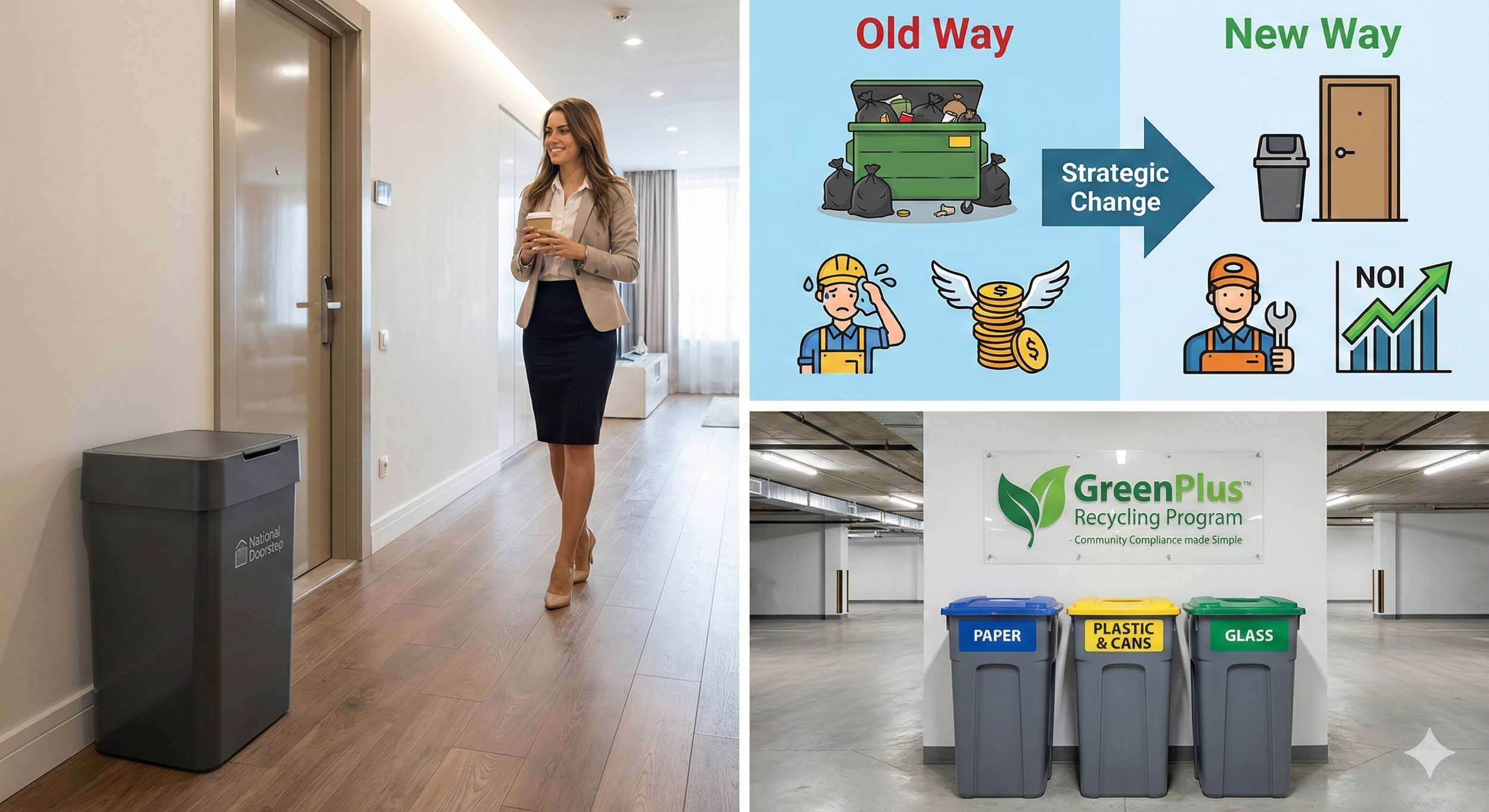
Overflowing Dumpsters? How National Doorstep GreenPlus™ Turns Apartment Waste Into a Clean, Compliant NOI Booster
Overflowing dumpsters aren’t just an eyesore—they’re silently draining your NOI, frustrating residents, and putting your property at risk of compliance violations. In today’s multifamily environment, waste management isn’t a back-end task—it’s a frontline operational system that directly impacts asset performance.
That’s why leading operators are shifting away from outdated dumpster models and adopting structured, service-driven solutions like National Doorstep GreenPlus™. By combining doorstep convenience, behavior-driven systems, and built-in compliance support, GreenPlus™ transforms waste from a daily headache into a streamlined, high-performing amenity.
If your team is still reacting to trash problems instead of controlling them, it’s time to rethink the system entirely.
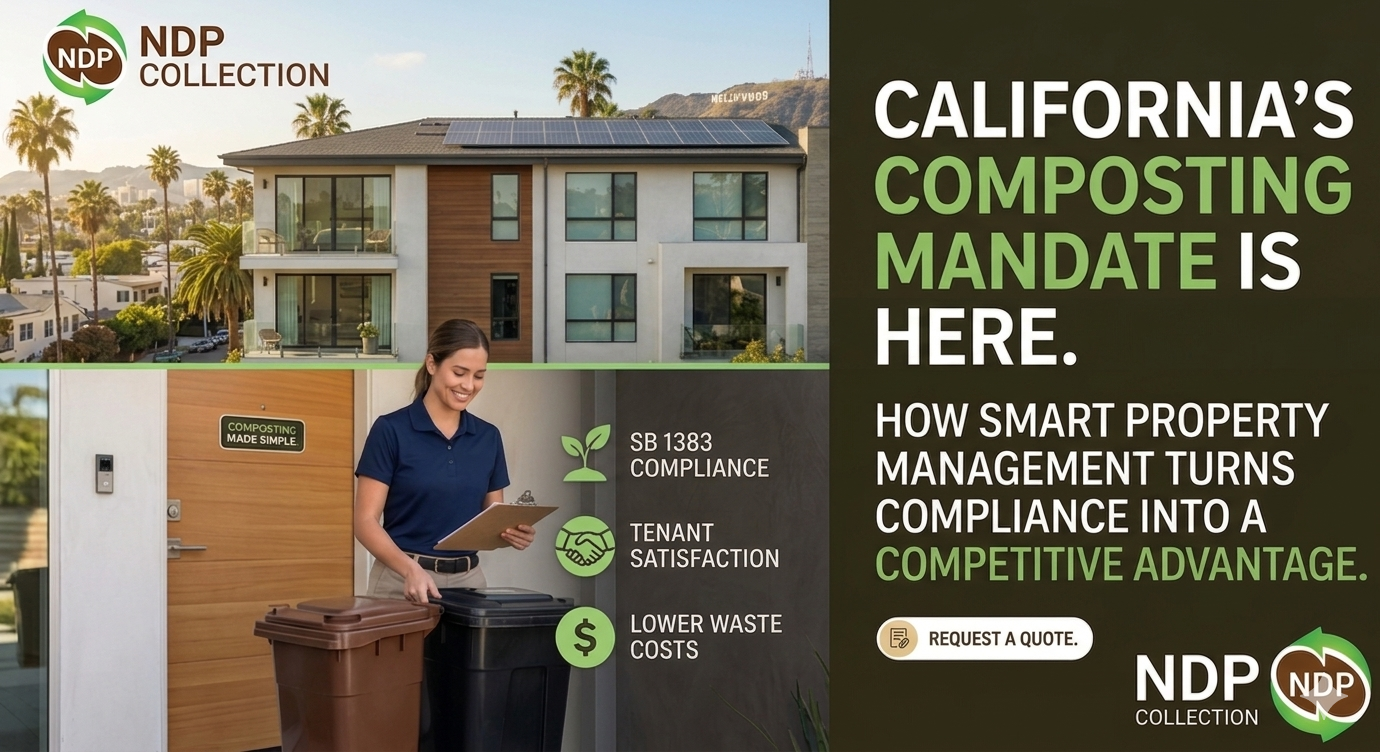
California’s Composting Mandate: How Smart Property Management Turns Compliance Into a Competitive Advantage
California’s composting mandate is reshaping multifamily property management. Discover the core requirements for SB 1383 compliance and learn how offering convenient doorstep waste services can reduce contamination, improve resident satisfaction, and turn a regulatory challenge into a high-value green amenity.
Here’s What the Data Really Reveals
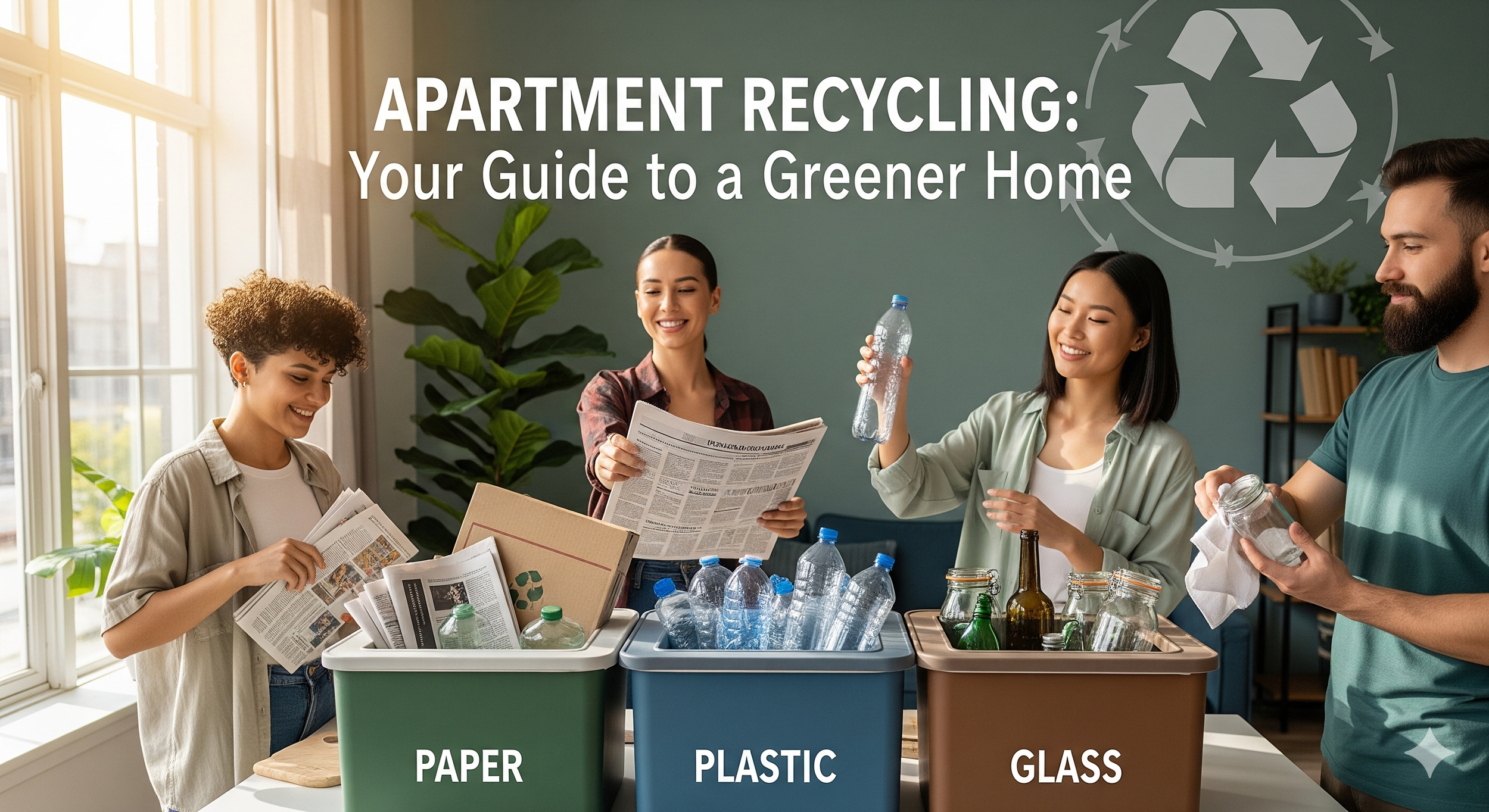
Apartment Recycling Made Easy | Resident First Focus
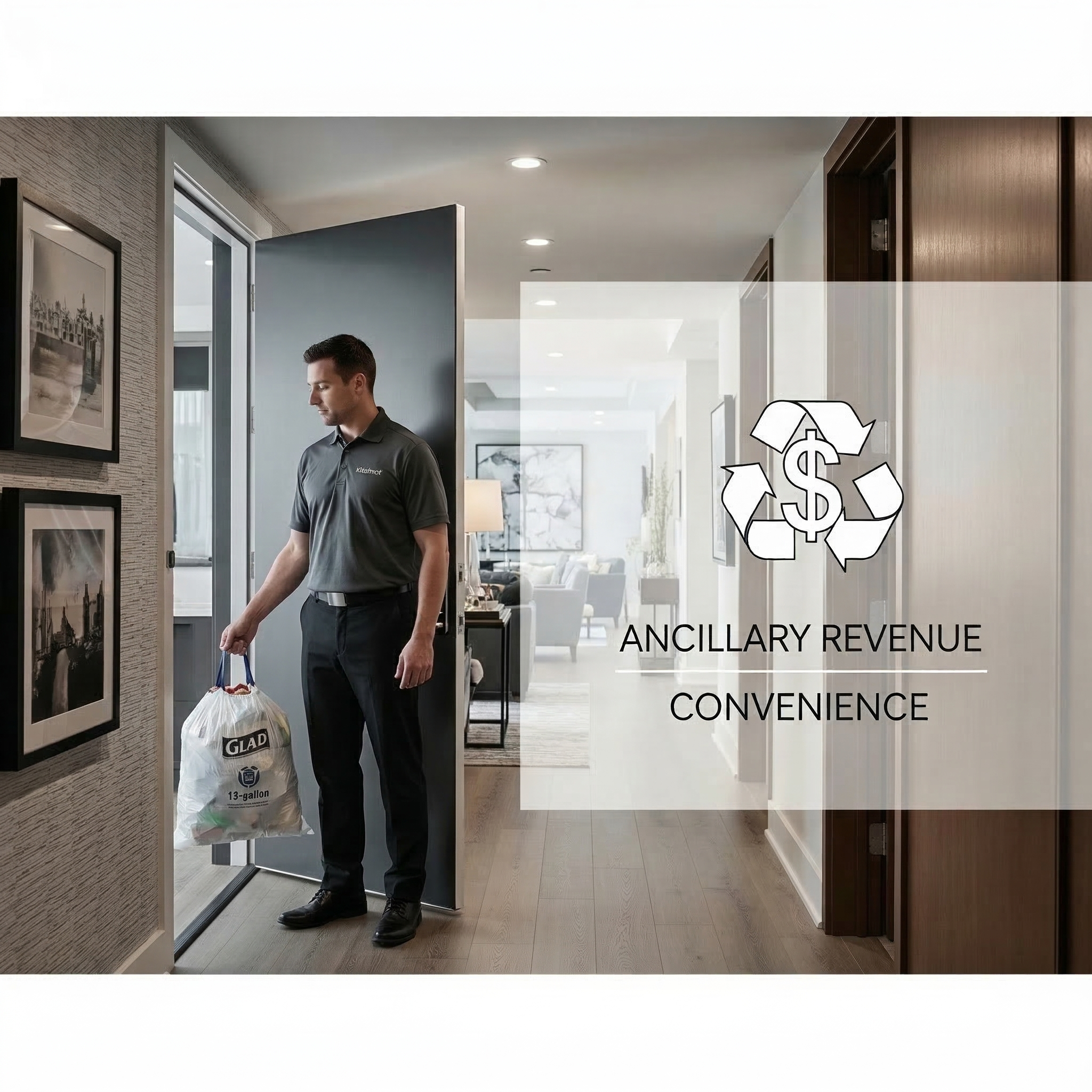
Valet Trash as an Ancillary Revenue Engine: How to Structure Fees Without Resident Pushback
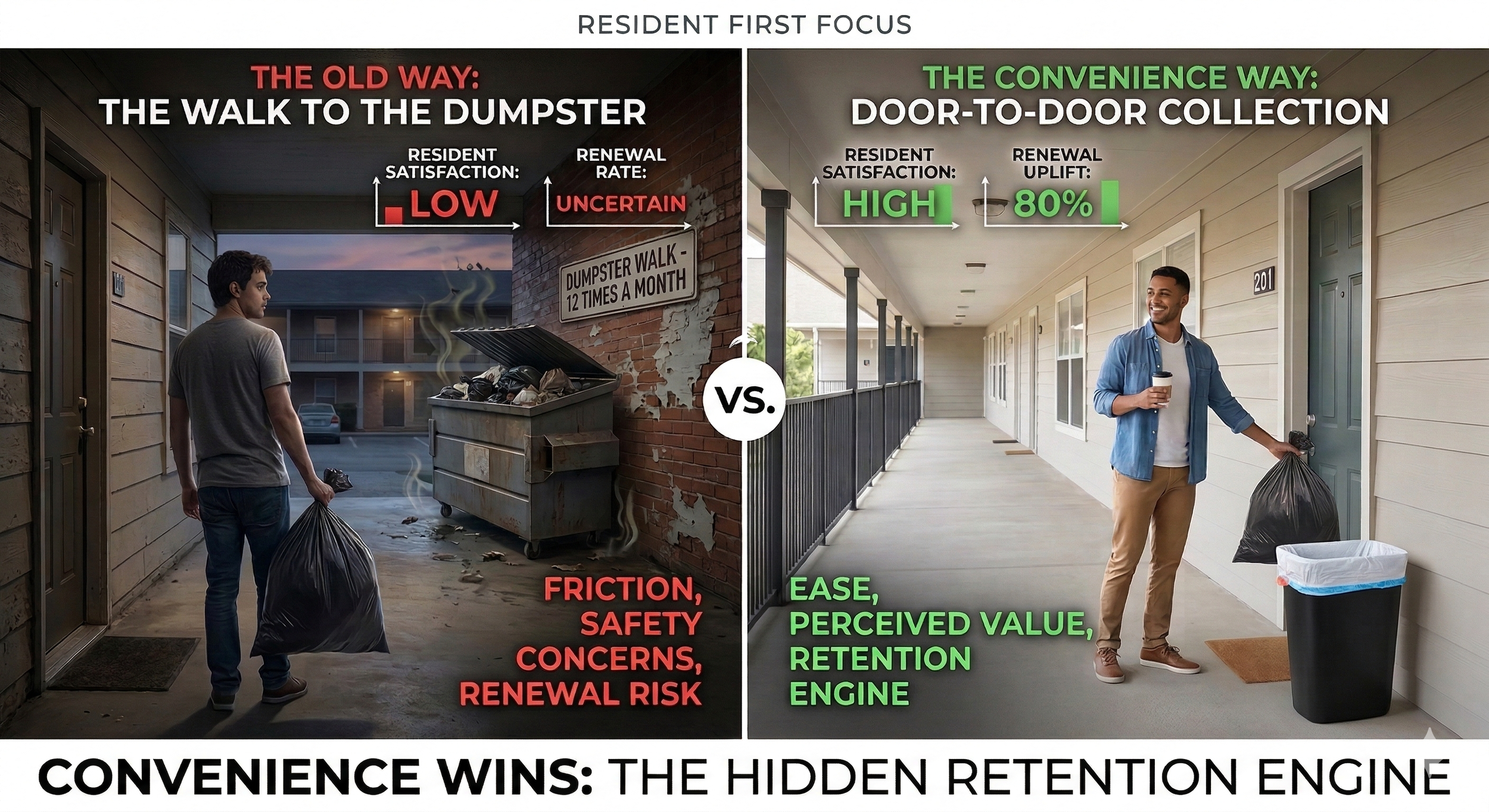
Convenience Wins: The Hidden Retention Engine Behind Door-to-Door Collection | Resident First Focus
For apartment residents, the dreaded walk to the compactor isn't just a minor annoyance—it's a recurring friction point that quietly impacts lease renewals. What if you could transform this daily chore into your property’s best amenity? Discover why introducing door-to-door valet waste collection has become the secret engine driving unmatched resident retention, cleaner communities, and stronger Net Operating Income (NOI). Read more to see why convenience always wins.
🍀 The Easiest Resident Event That Fills the Clubhouse: A St. Patrick’s Day Potluck That Drives Community Engagement
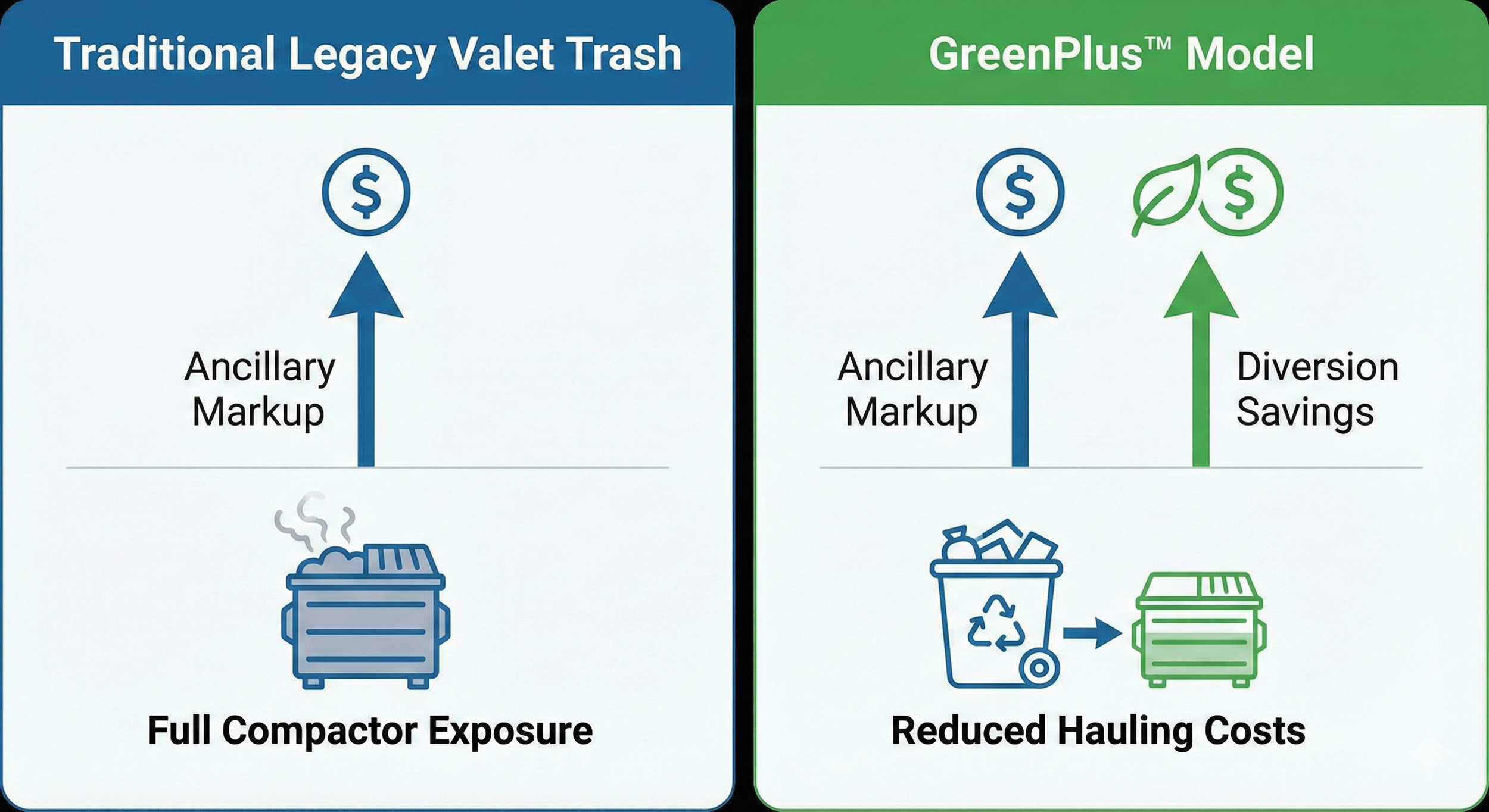
🚨 Margin Is Tight. Rents Are Flat. Why Are You Letting Trash Eat Your NOI?
Multifamily operators are facing a tough reality: flat rents, climbing insurance premiums, and escalating hauling contracts. When top-line rent increases stall, smart operators pivot to margin engineering. Discover how optimizing your valet trash structure can significantly protect and grow your NOI.
🏆 Best of 2026: Valet Trash & Recycling Services (Multifamily Edition)
In 2026, multifamily success hinges on operational discipline and resident retention. As landfill fees rise and sustainability mandates grow, National Doorstep Pickup delivers the "Best of 2026" solution: a verifiable, tech-enabled valet trash service that boosts NOI, ensures compliance, and keeps communities clean 5 nights a week.
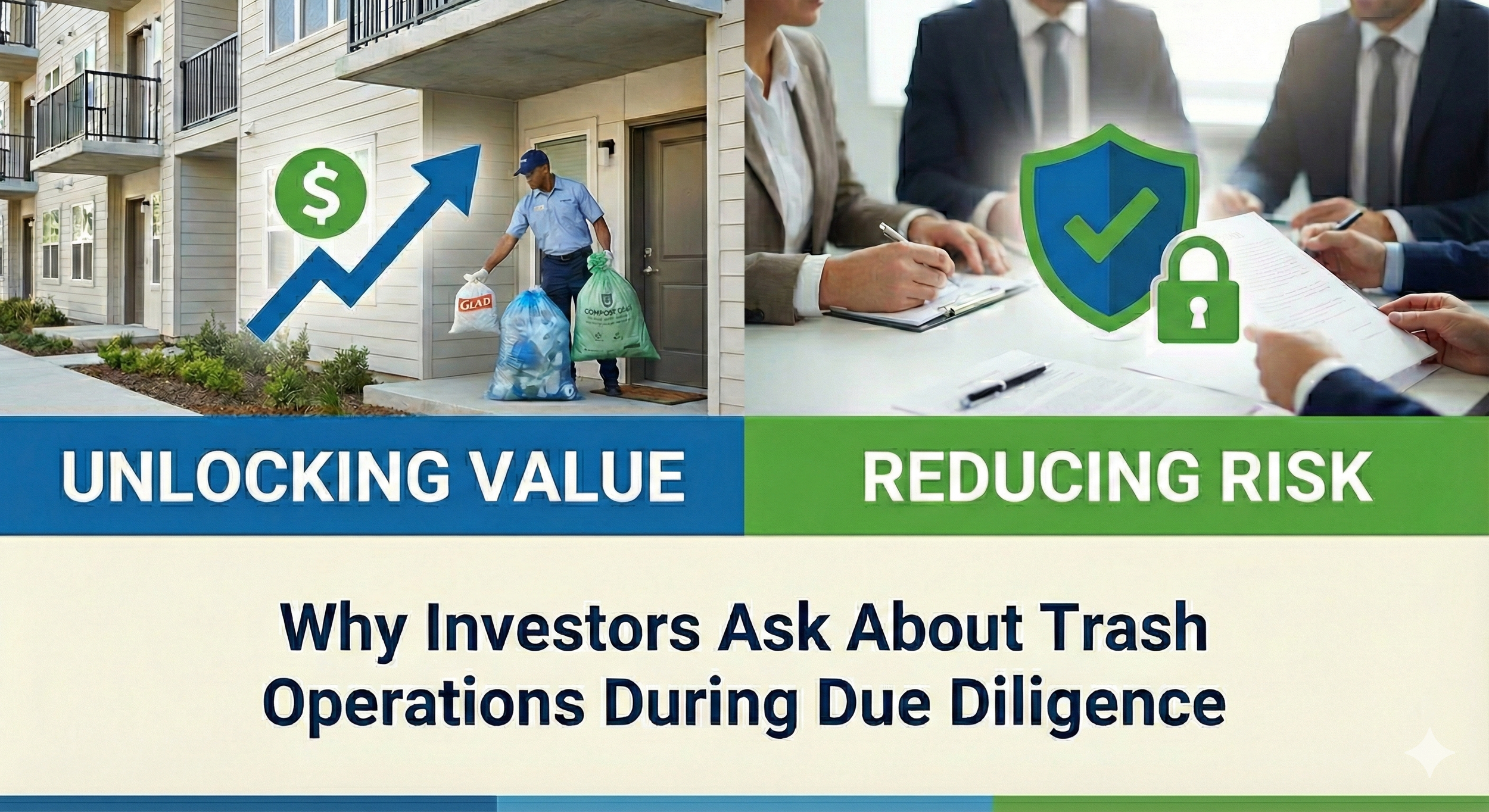
Why Investors Ask About Trash Operations During Due Diligence (and What Property Management Must Know)
In today’s competitive multifamily investment market, waste operations are no longer just an operational afterthought; they have become a critical focal point during due diligence. Institutional and private investors alike are increasingly zeroing in on trash management systems—specifically doorstep valet trash services—as key indicators of a property's operational sophistication and asset value.
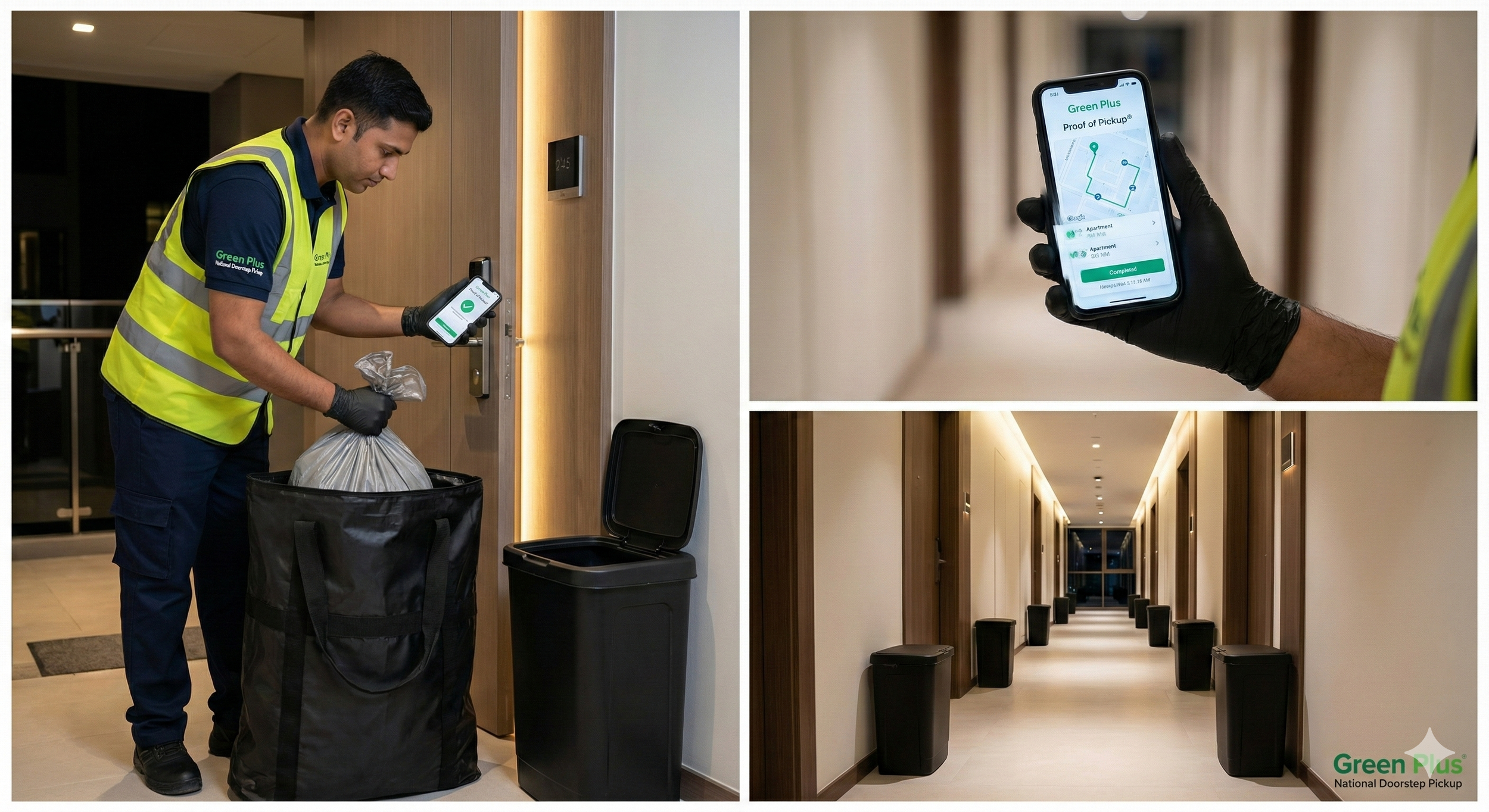
For investors, the scrutiny of trash operations is primarily driven by two factors: risk mitigation and asset value enhancement. Regarding risk, regulatory compliance is paramount. With cities and states expanding waste diversion mandates, non-compliance can lead to significant fines and reputational damage. Investors require assurance that an asset is shielded from these liabilities, looking for structured valet trash programs backed by standardized SOPs and "Proof of Pickup®" verification.
Beyond risk, effective trash operations are a powerful lever for increasing Net Operating Income (NOI). Valet trash is currently one of the most requested resident amenities, directly driving resident satisfaction and retention. Furthermore, a well-managed waste strategy eliminates common issues like overflowing dumpsters and messy hallways, thereby improving curb appeal and online reputation.
To prepare for this level of investor scrutiny, property management teams must be ready with a comprehensive due diligence checklist. This includes maintaining detailed documentation of collection routes and safety protocols, providing clear metrics on resident participation and cost allocations, and demonstrating strict adherence to local regulatory mandates.
Ultimately, trash operations have shifted from a tactical necessity to a strategic asset. By presenting a well-defined, data-backed waste strategy, property managers can significantly boost buyer confidence, secure favorable valuations, and ensure smoother financing processes. In the modern market, a clean, compliant, and documented trash operation is a clear signal of a valuable, well-managed asset.
Valet Trash for Class B/C Workforce Housing | Resident First Focus
Valet Trash for Class A Communities | Resident First Focus
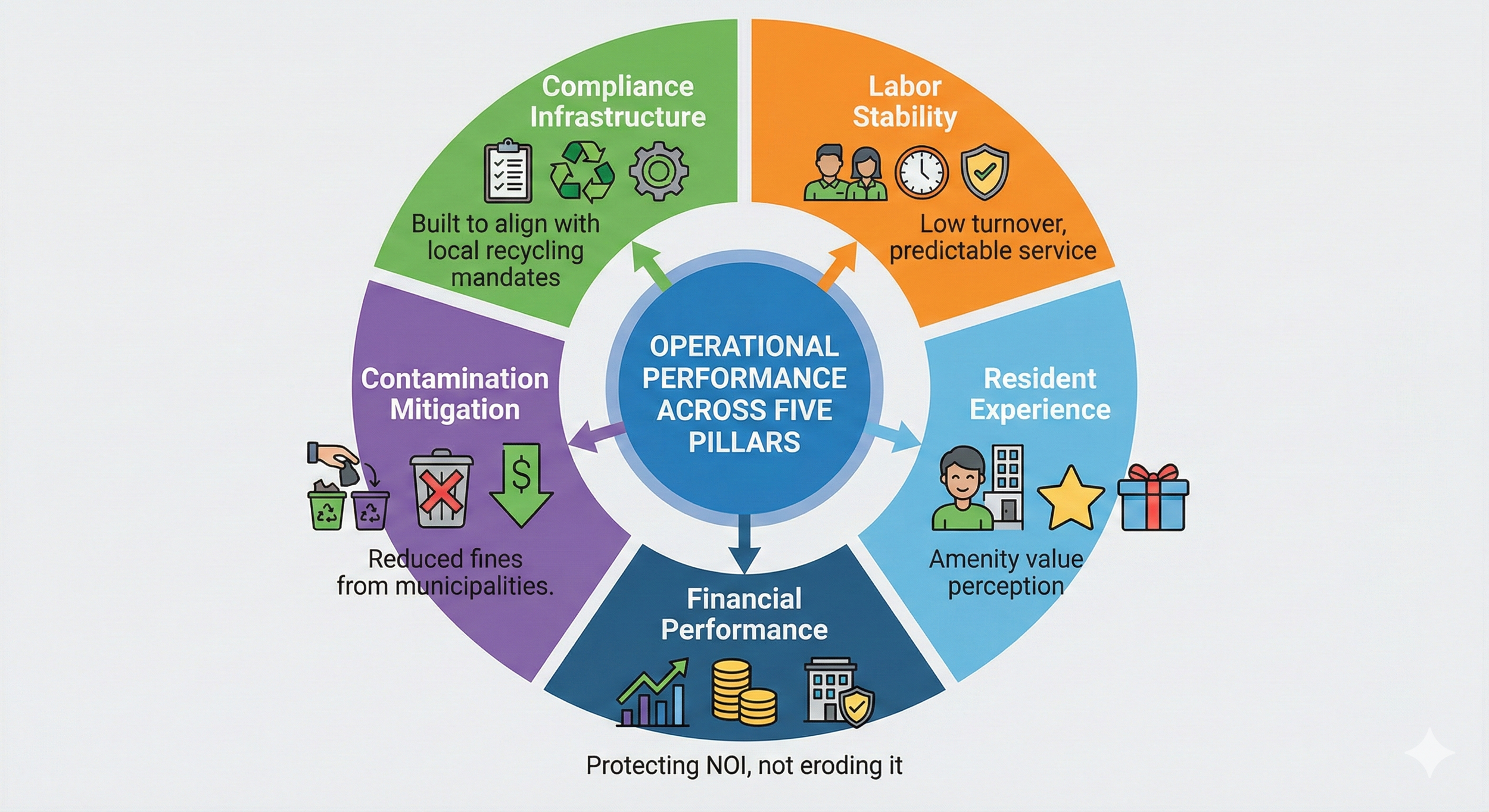
Why Smart Property Managers Are Rethinking Waste & Recycling—and How It Directly Impacts NOI
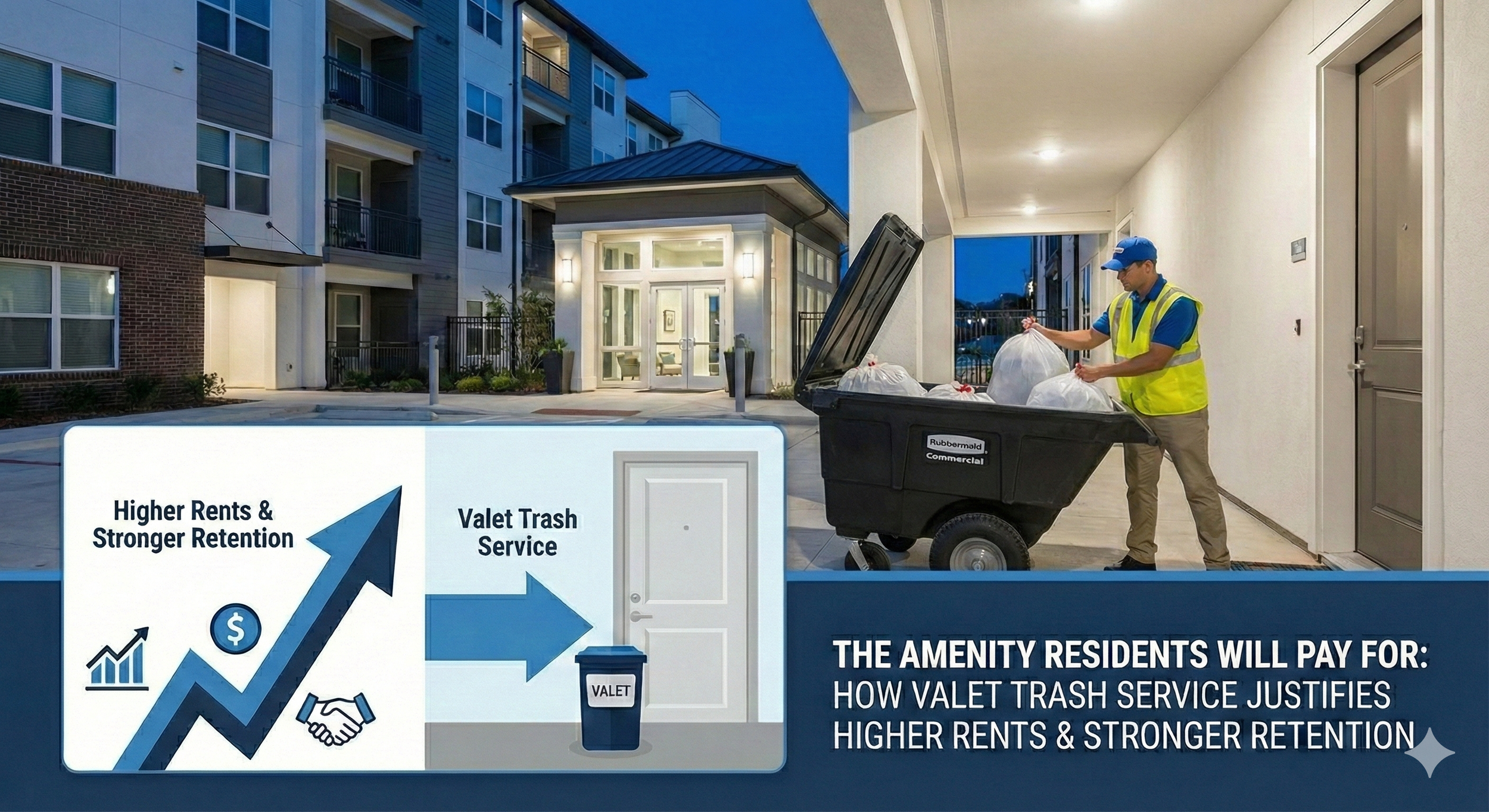
The Amenity Residents Will Pay For: How Valet Trash Service Justifies Higher Rents and Stronger Retention
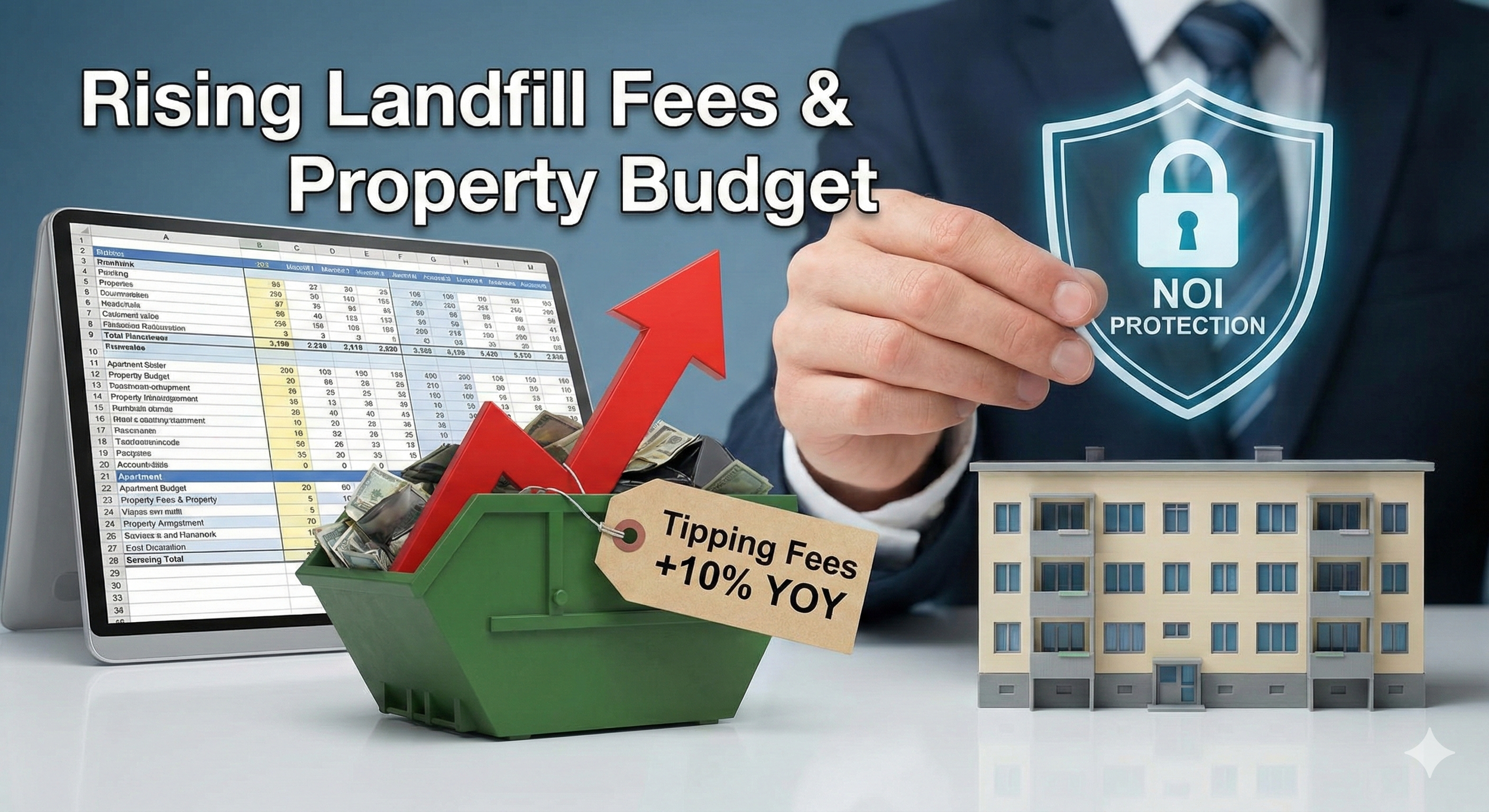
Rising Landfill Fees (10% YOY) Are Quietly Hurting Your Budget—Here’s How Property Management Can Protect NOI
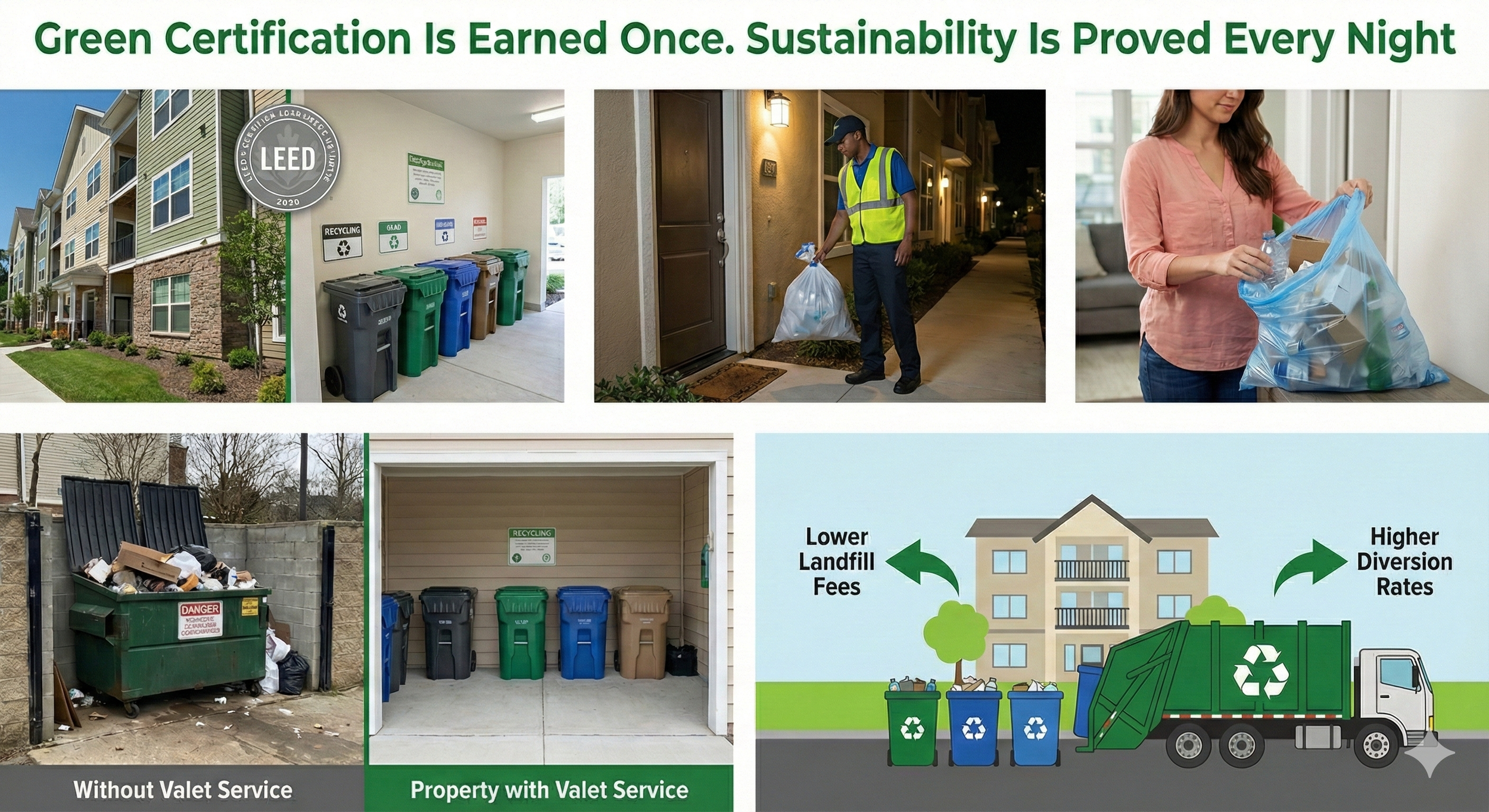
Green Certification Is Earned Once. Sustainability Is Proved Every Night.
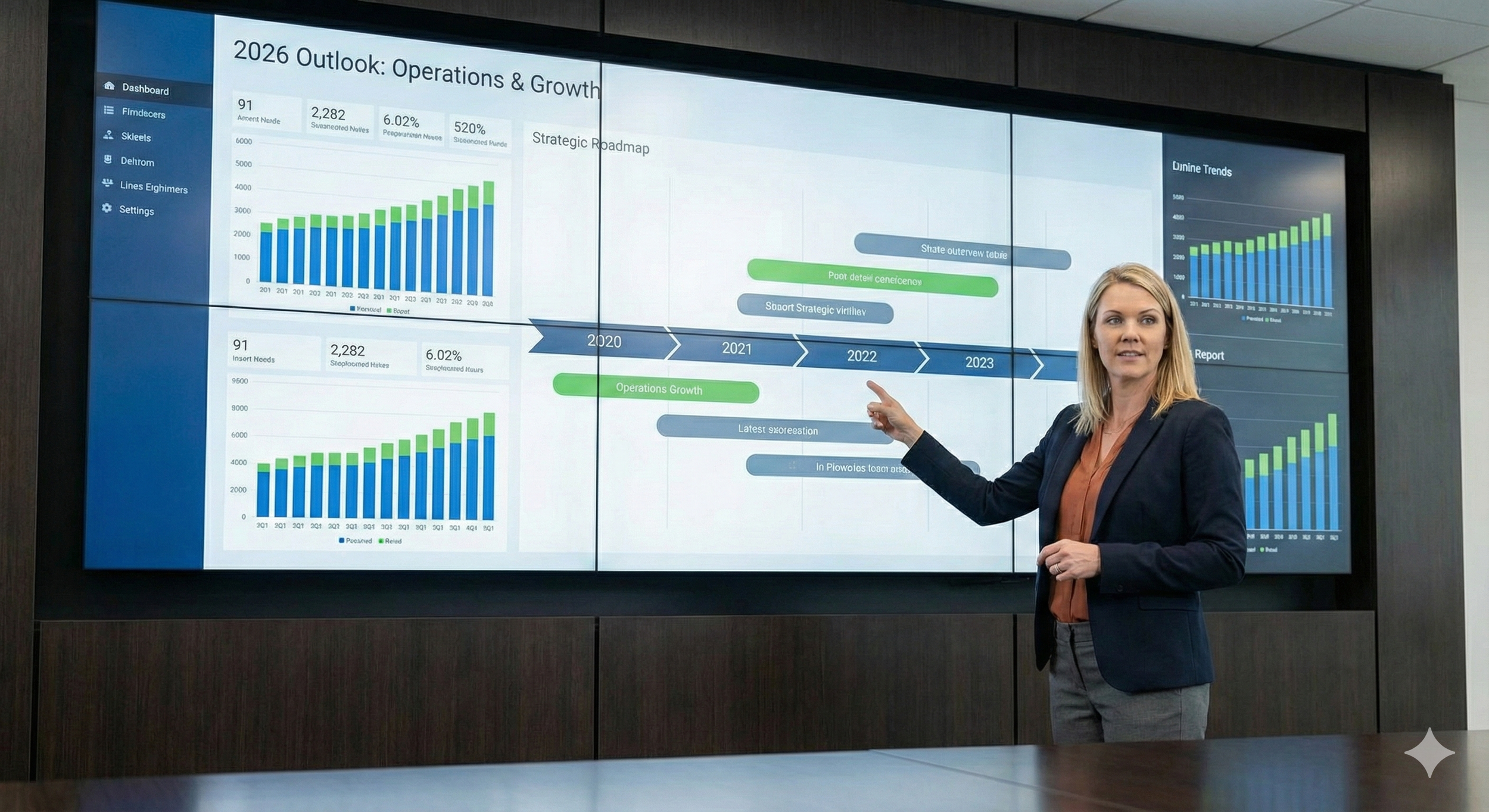
A 2026 Multifamily Outlook for Apartment Owners, Operators, and Property Leaders
As 2025 closes, multifamily fundamentals are stabilizing after an unprecedented supply cycle. National occupancy remains near historical norms, construction is slowing sharply, and labor pressures—while still real—are becoming more predictable. Entering 2026, success will hinge less on rent growth and more on operational discipline, resident retention, and cost control. A-market competition remains intense, B markets are digesting peak deliveries, and C markets continue to offer stability. In this environment, ancillary services that improve daily convenience, protect compliance, and support NOI—such as valet trash—are emerging as essential tools rather than optional amenities.
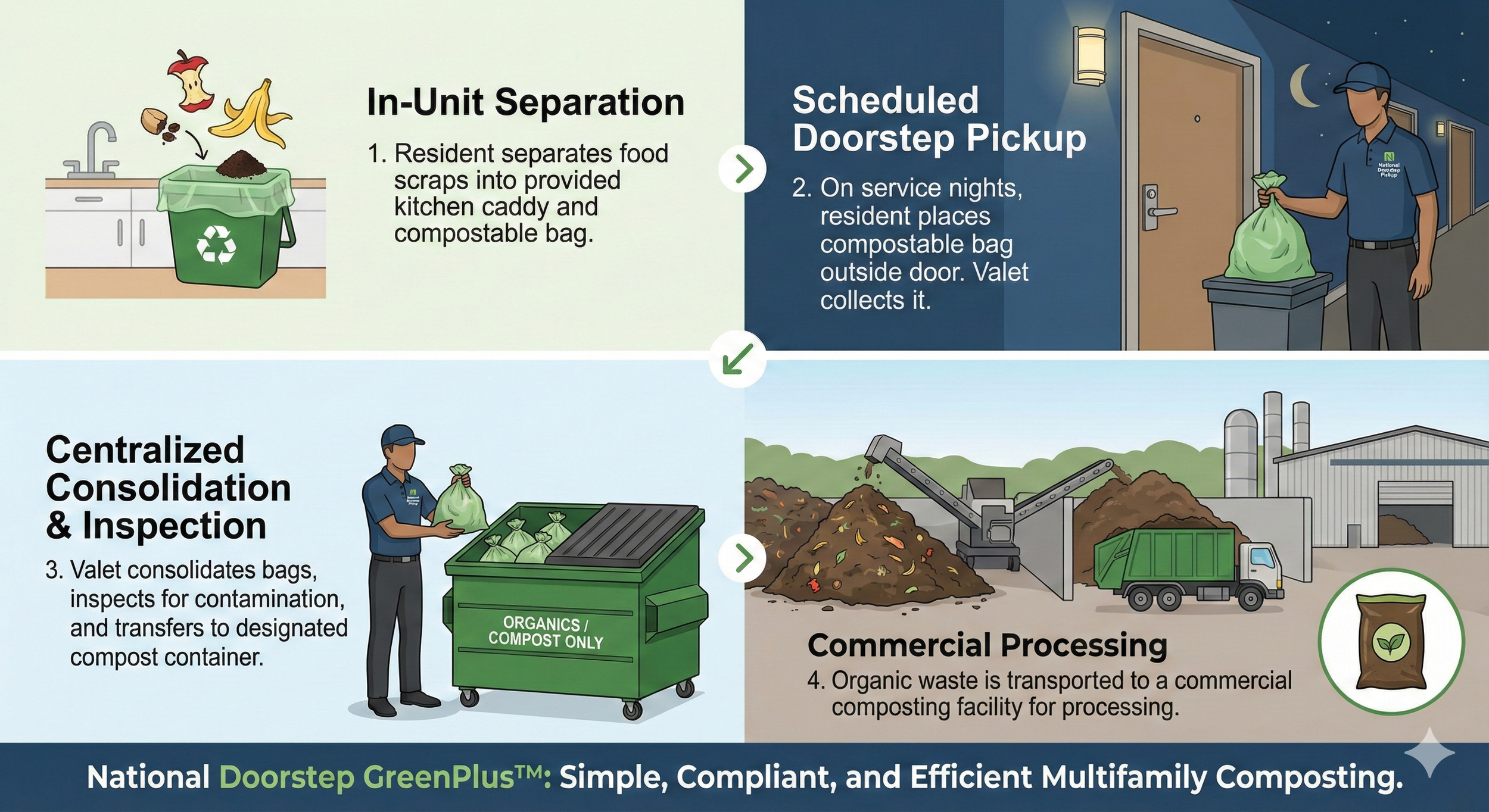
Composting Made Simple for Multifamily Apartments
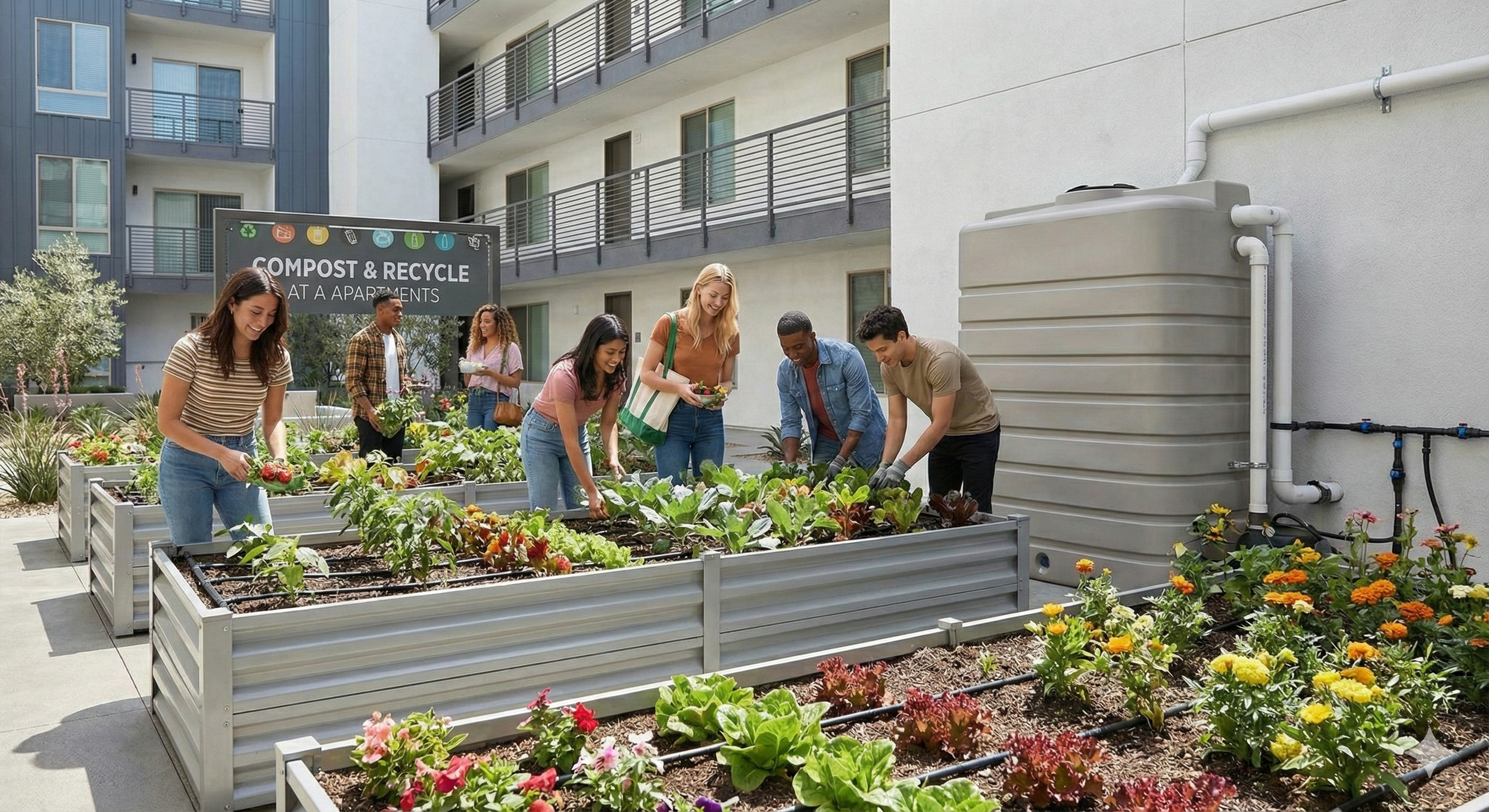
Composting is no longer an optional sustainability feature for multifamily housing. It is rapidly becoming a core operational requirement driven by municipal mandates, rising landfill costs, and increasing resident expectations for environmentally responsible living.
For property management, the challenge is not understanding why composting matters—it is understanding how to implement composting in a way that is compliant, operationally efficient, resident-friendly, and financially positive.